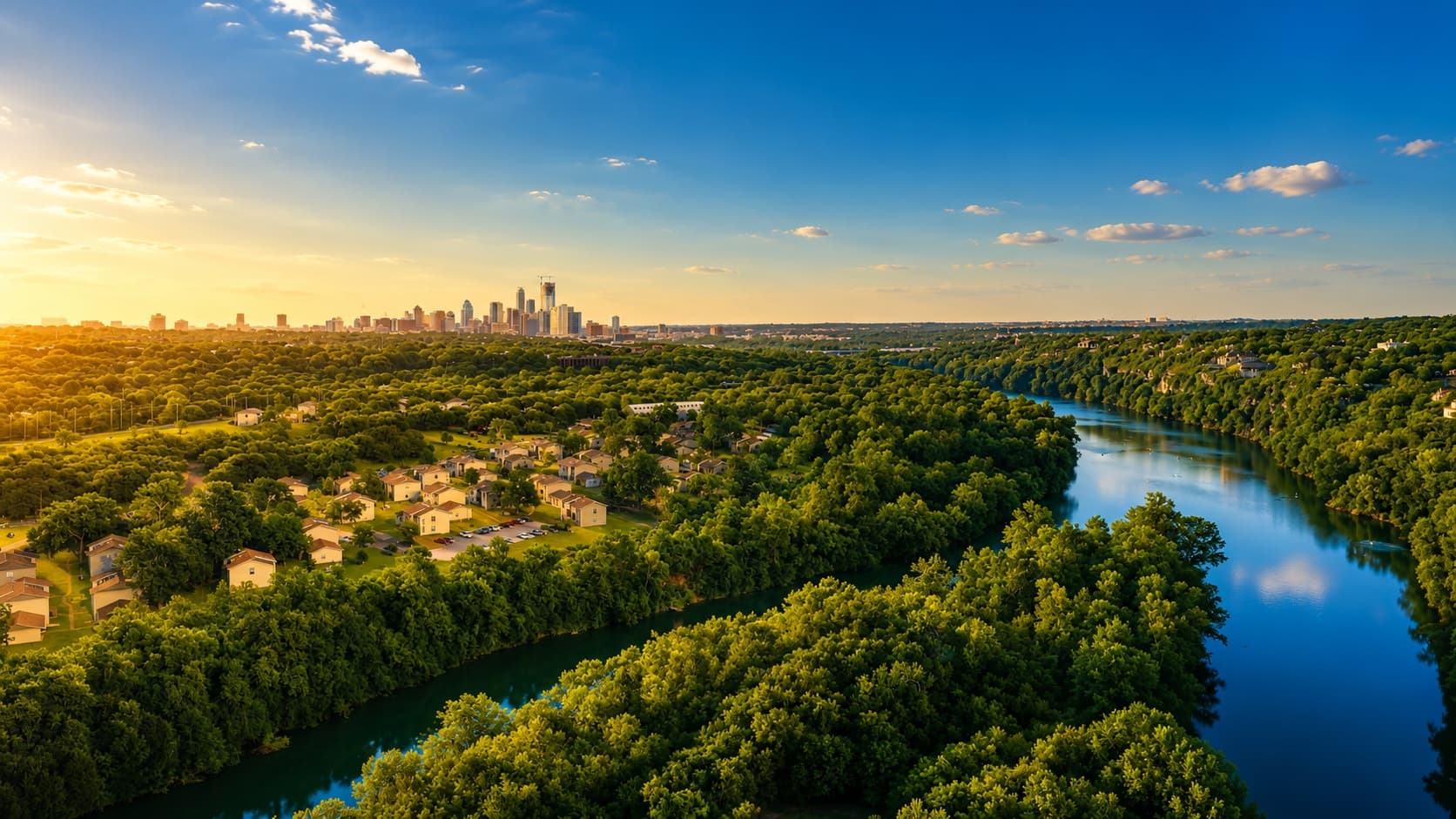
New Homes by Suburb
New Construction Homes in Austin
The city itself, Travis County. A buyer-side guide to new construction in Austin, with live listings, the builders and communities here, schools, taxes, and the honest tradeoffs.
Prefer to talk now? Call or text 254-718-2567
Get an agent on your side of the table
The builder's agent works for the builder. I work for you, and the builder pays my fee in most cases, disclosed in writing before we tour. Ask me anything; I reply personally, usually the same day.
The short answer
Most people searching for new construction in Austin picture downtown, and the live inventory tells a different story. The city has more new homes than any suburb, but they are concentrated in the eastern crescent rather than the core: 78747 and 78744 in the southeast carry the largest share by a wide margin, followed by 78754, 78702, 78704, and 78745. Inside the central and downtown zip codes, new construction is mostly vertical, which is why roughly a quarter of the city's new-home inventory is condominiums and townhomes rather than houses. The median new home in the city runs near $560,000 at about 2,030 square feet, which works out to roughly $292 per square foot, the highest in the metro, on a median lot of about a seventh of an acre.
Live from the MLS
665 new homes for sale in Austin
- Median price
- $551,733
- Median $/sq ft
- $292
- Median size
- 2,031 sf
- Typical home
- 3 bd
Live medians across every active new-construction listing in Austin, straight from the MLS. See the full Austin market report.
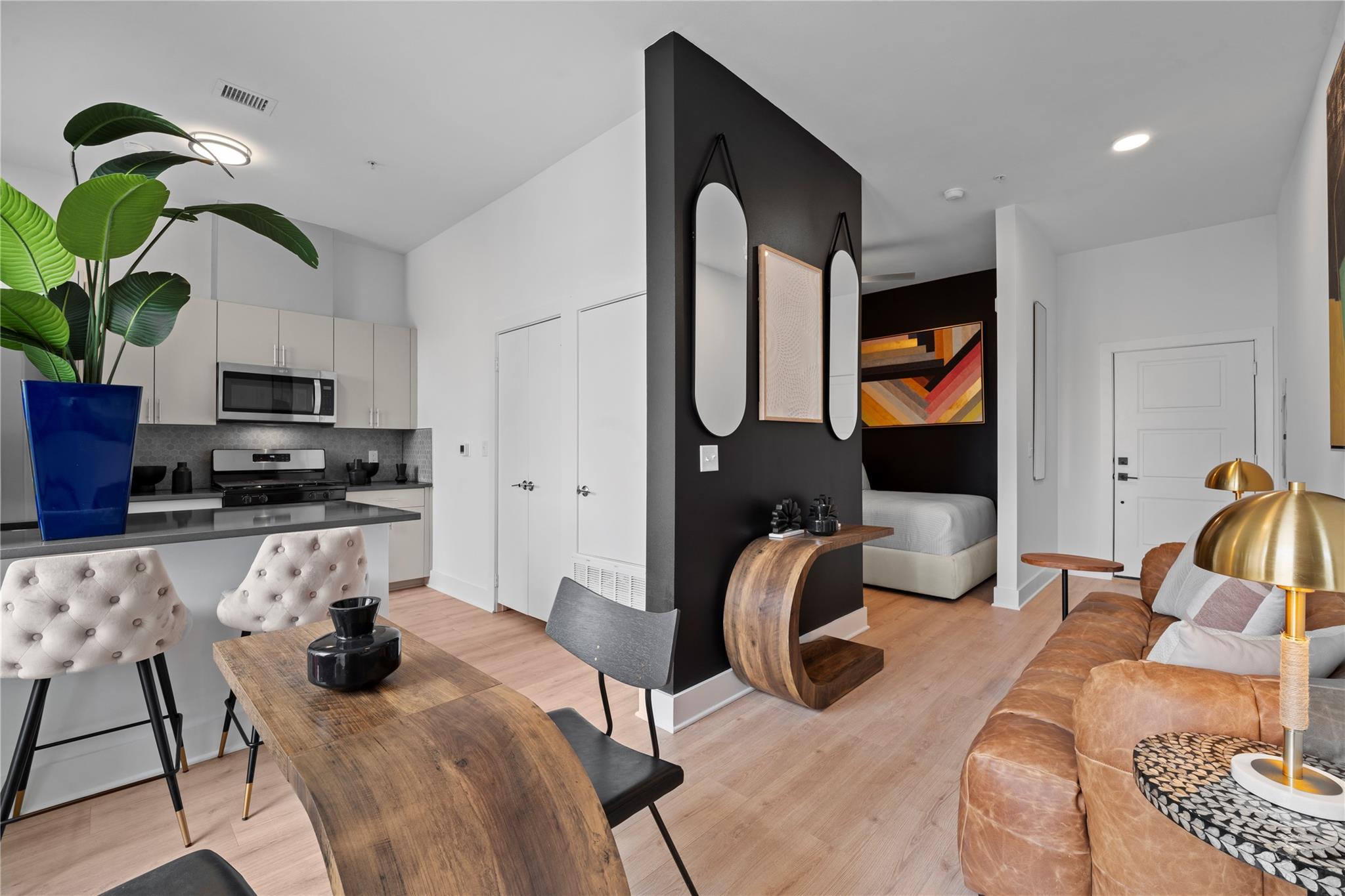 New Construction
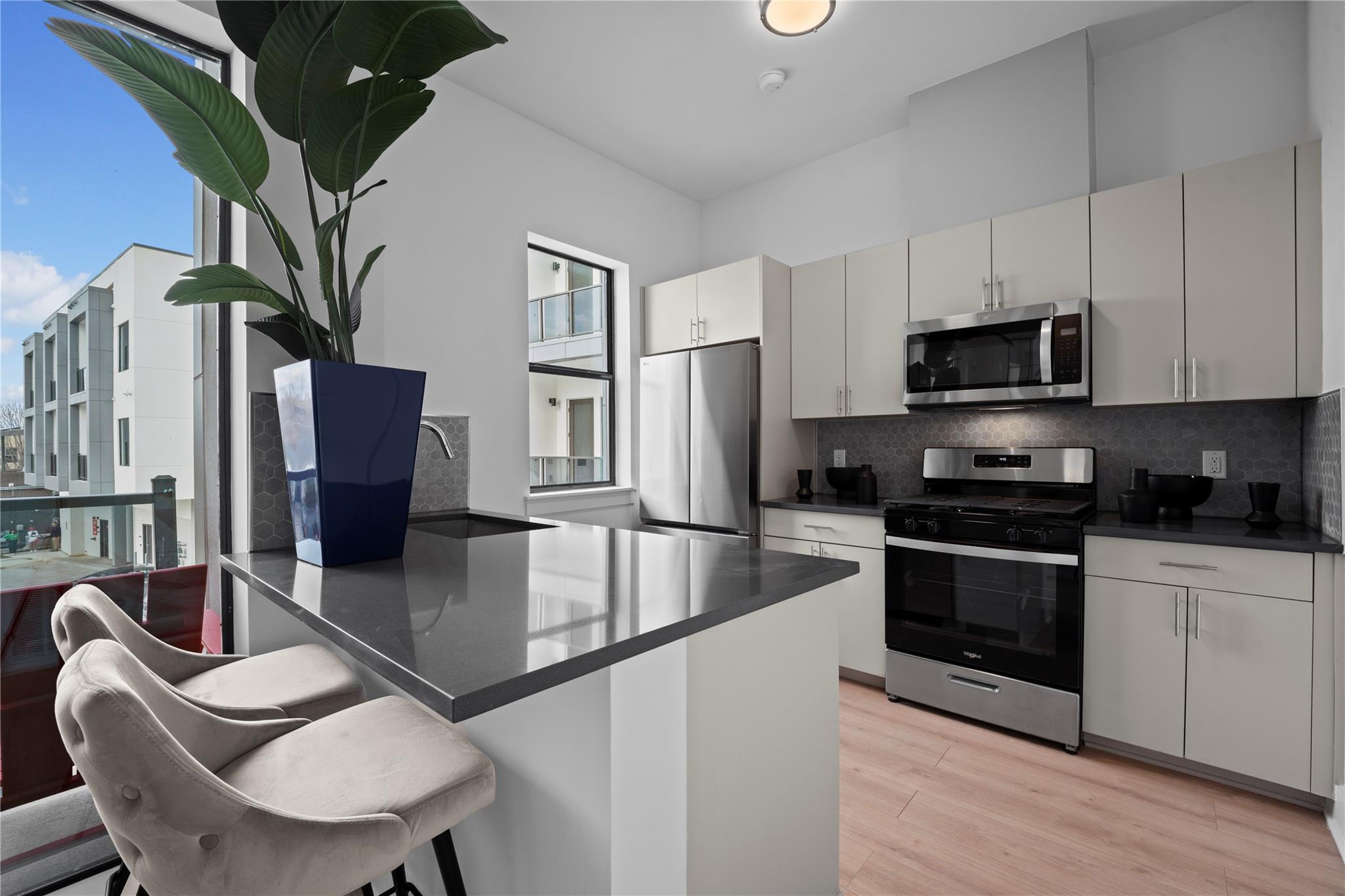 New Construction
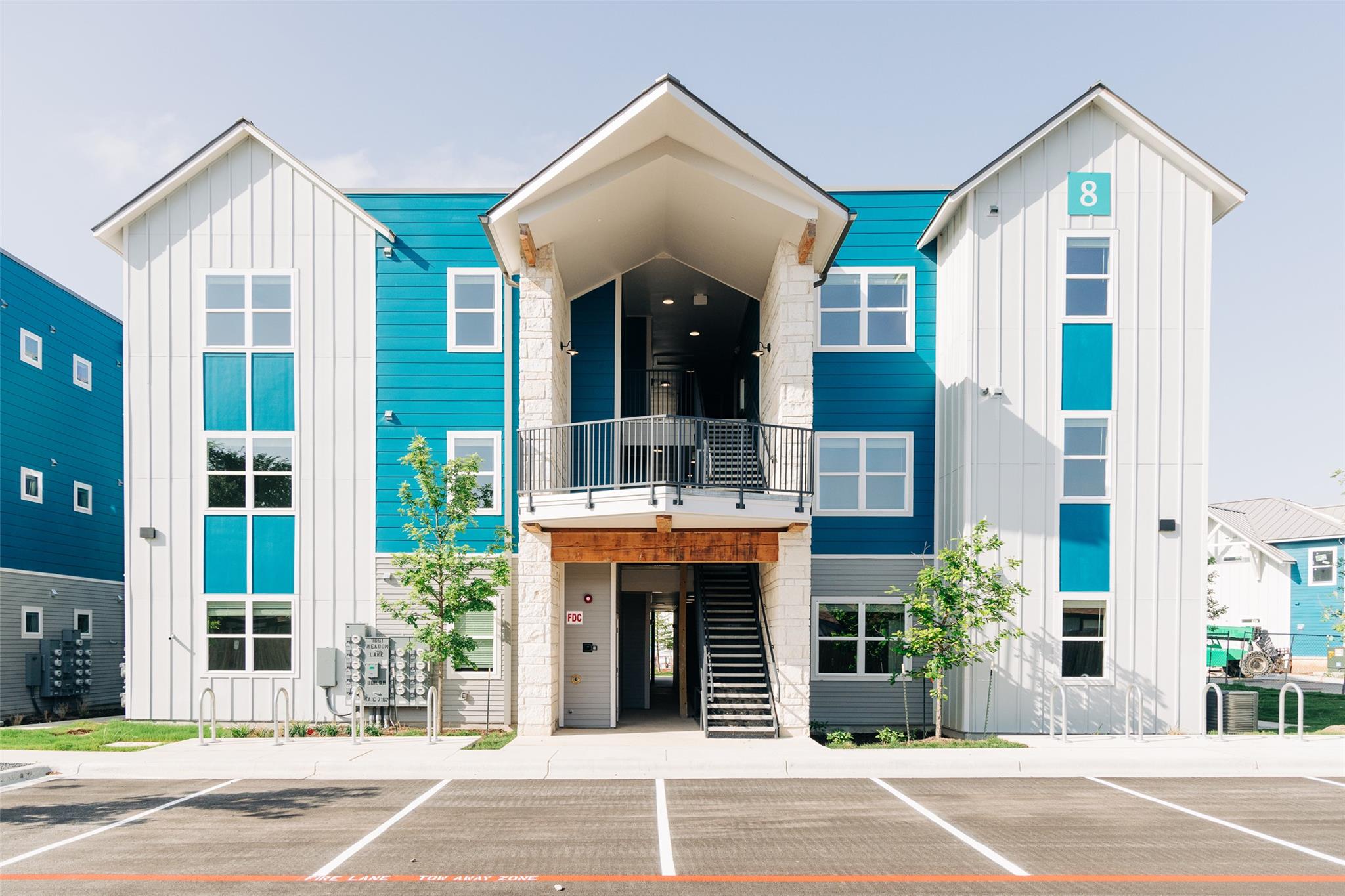 New Construction
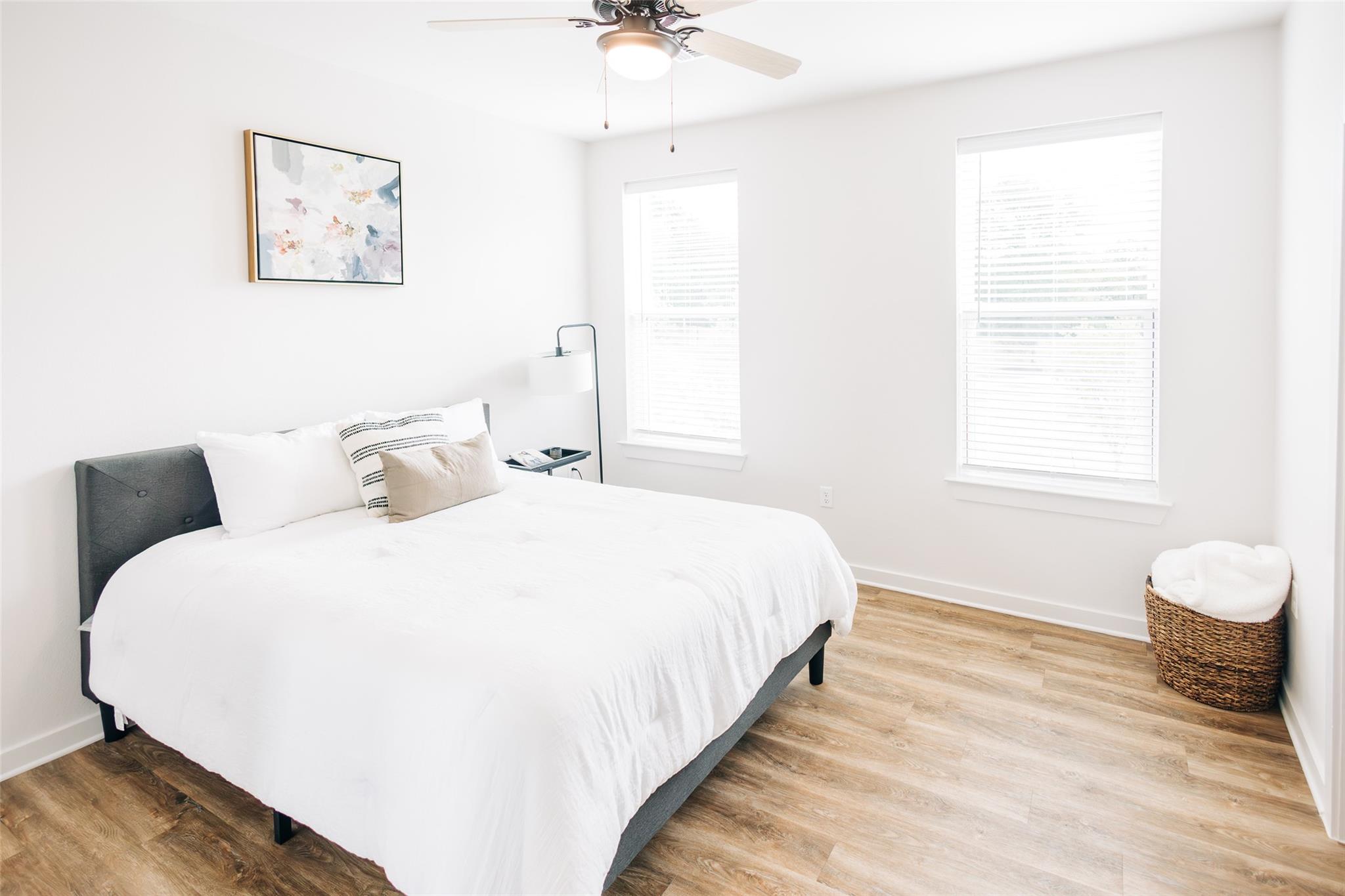 New Construction
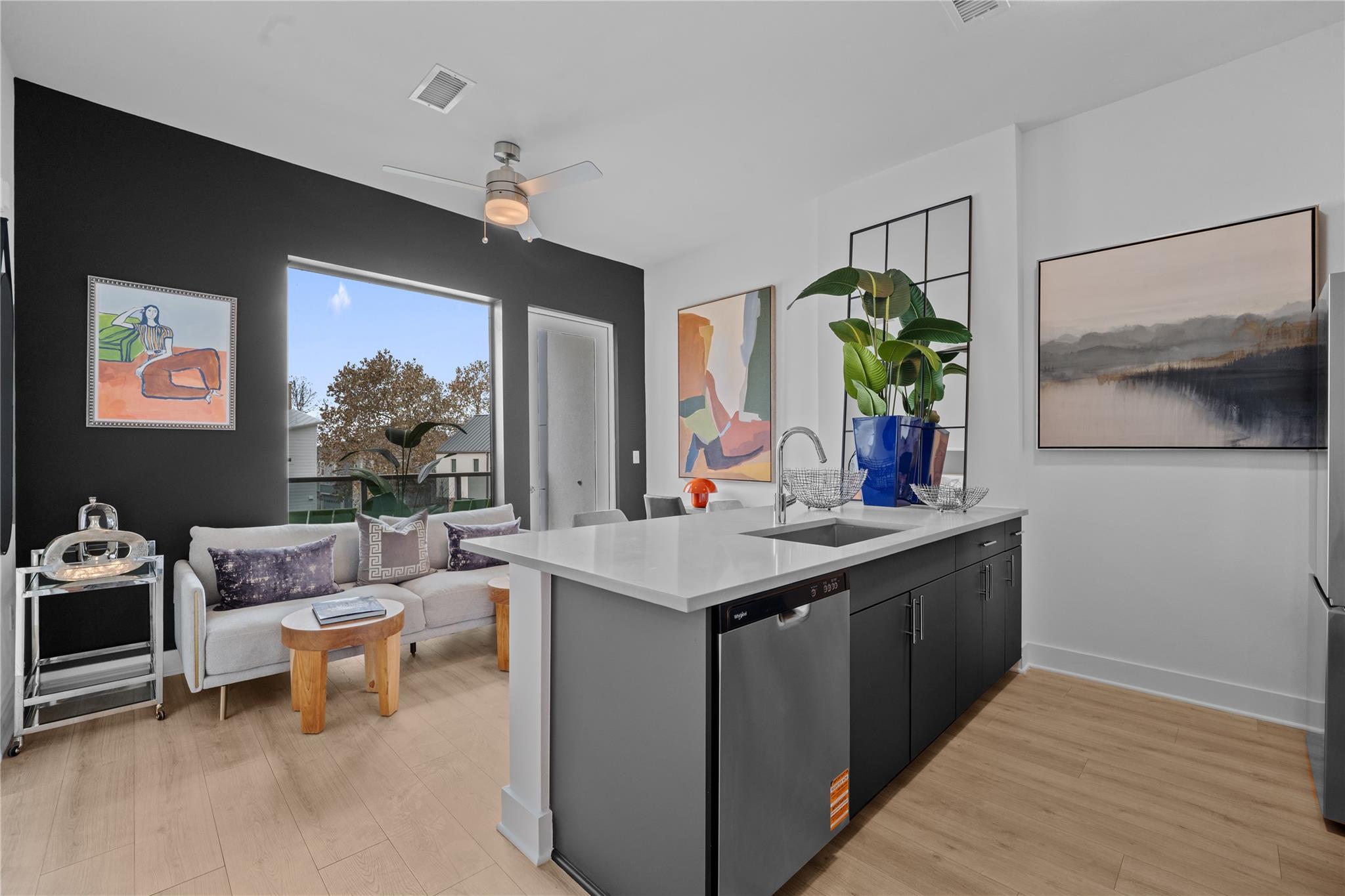 New Construction
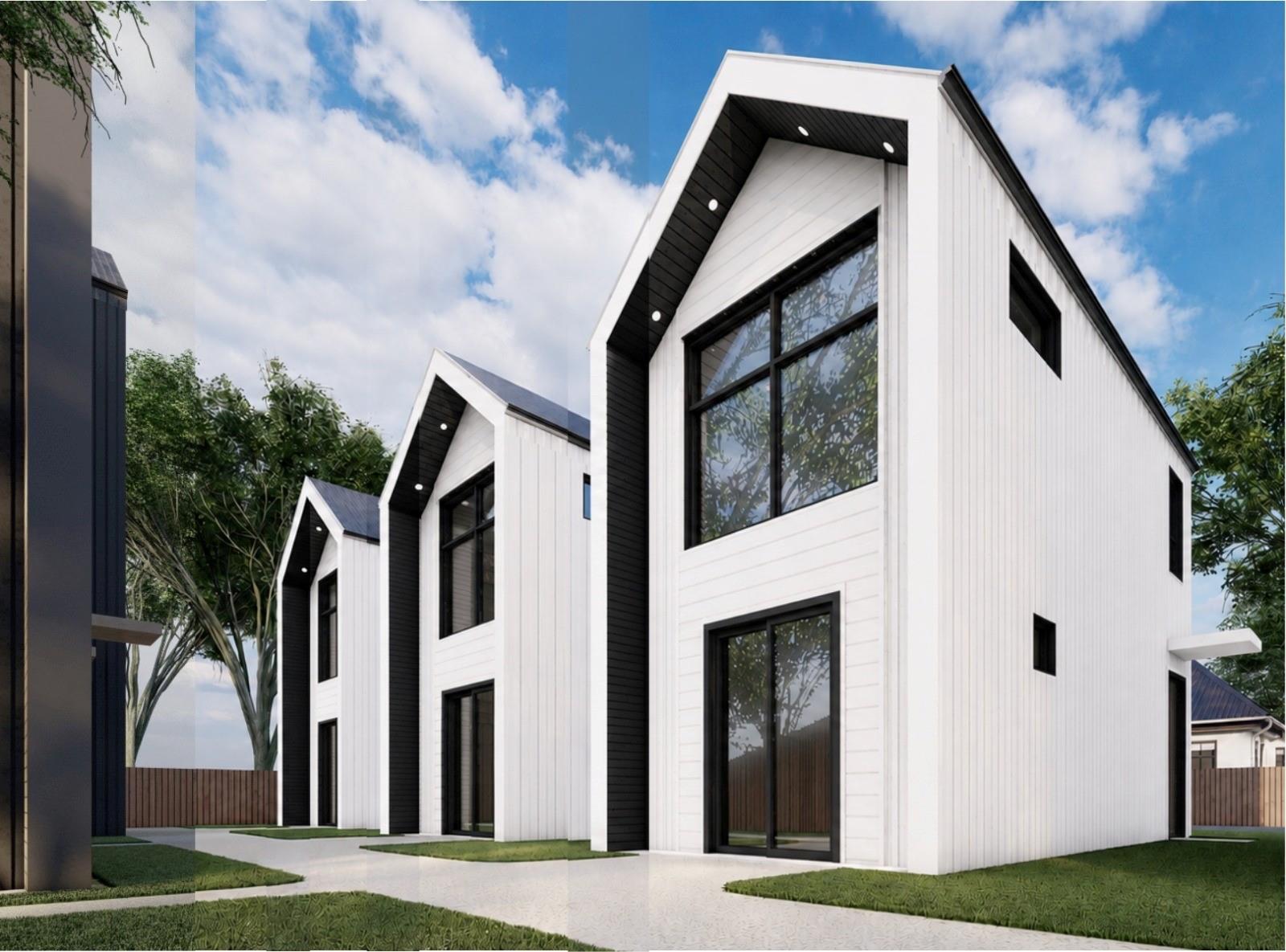 New Construction
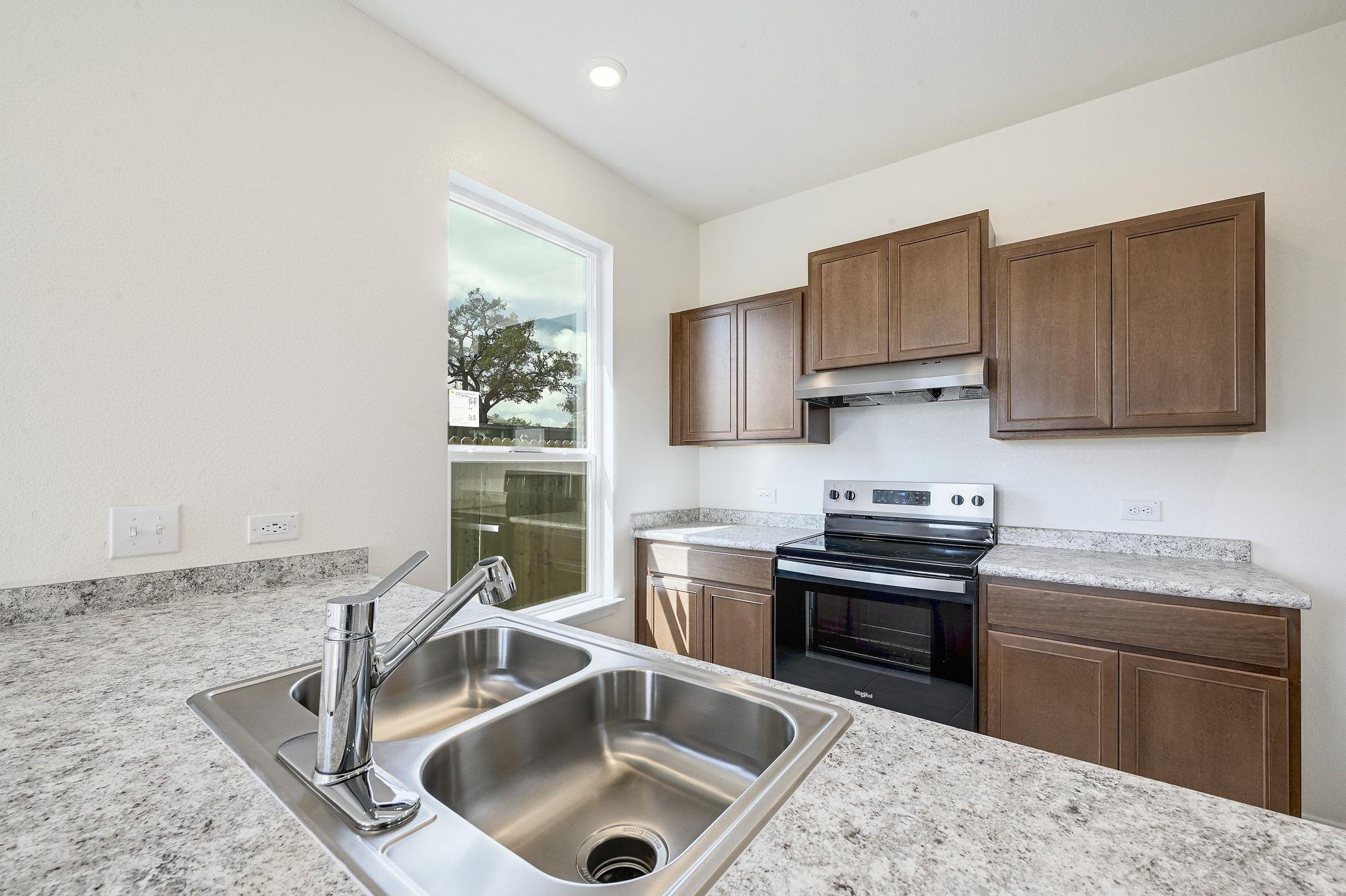 New Construction
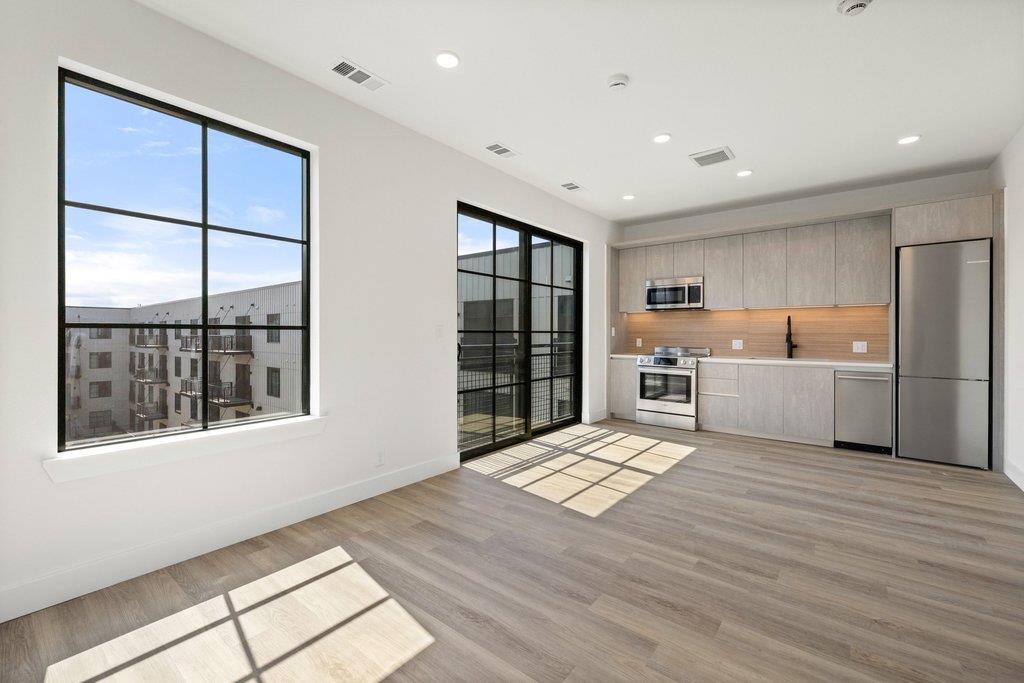 New Construction
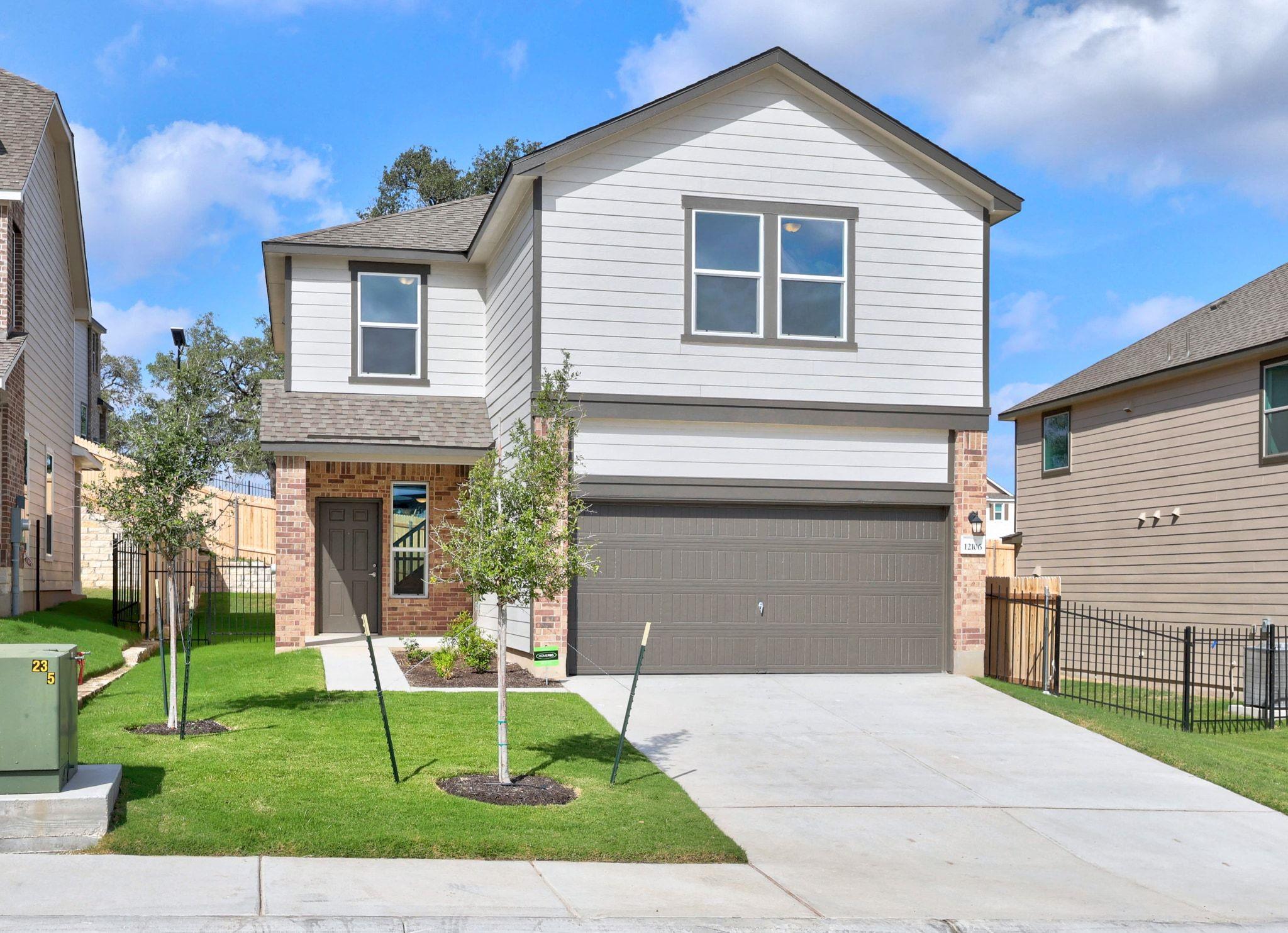 New Construction
Based on information from Unlock MLS (the Austin Board of REALTORS, ACTRIS) for the period through the most recent sync. Listing data is provided for consumers’ personal, non-commercial use and may not be used for any purpose other than to identify prospective properties. All information is deemed reliable but is not guaranteed and should be independently verified. Properties may be listed by brokerage firms other than Austin Marketing + Development Group; the listing broker is shown with each home where the MLS provides it.
At a glance
Austin new construction, by the numbers
- County
- Travis County
- School districts
- Austin ISD, Del Valle ISD, Manor ISD, Pflugerville ISD, Round Rock ISD, Eanes ISD, Leander ISD
- Price range
- Roughly $300,000 to well over $2 million for new construction (2026), the widest span of any city in the metro. Attainable product concentrates in the southeast around 78747 and 78744, condominiums in the core start in the mid $300s and run into the millions, and East Austin infill houses typically sit from the $600s upward. The median new-home listing runs near $560,000.
- Commute
- You are already in the city, which is the point. The southeast concentration around Easton Park, Goodnight Ranch, and the Onion Creek area reaches downtown in roughly 15 to 25 minutes off-peak and the airport in about 10 to 15. East Austin infill in 78702 and 78721 is a bike or scooter commute to the core. The tradeoff runs the other way: from inside the city, the northwest job centers around the Domain, Apple's Parmer campus, and Lakeline are a 25-to-40-minute drive against traffic.
- Location
- The city itself
Where to buy
Communities in Austin
- Easton ParkGuide →David Weekley Homes, Brookfield Residential, Pacesetter Homes, Empire Communities
- Goodnight RanchGuide →Pacesetter Homes, Brookfield Residential
- Whisper ValleyGuide →Pacesetter Homes, Avi Homes
- The Overlook at WestlakeGuide →MileStone Community Builders
- VUE at 2222Guide →Prominence Builders
- Viceroy Residences Austin (pre-construction condominiums)Guide →Pearlstone Partners
- East Austin infill (78702, 78721, 78723)Local and boutique infill builders
- Downtown and central condominiums (78701, 78703, 78704)High-rise and mid-rise developers
Who builds here
Active builders
- David Weekley Homes
- Brookfield Residential
- Pacesetter Homes
- Empire Communities
- Lennar
- KB Home
- Avi Homes
Before the base price
The single biggest tax advantage of buying inside the city is that most of it is not in a MUD. Where a suburban master plan can push the combined rate toward 2.5 to 2.8 percent, a typical Austin city address runs closer to 1.8 to 2.0 percent across city, county, school, and the health district. That difference can offset a meaningful share of the higher price per square foot, which is why the monthly payment rather than the sticker is the honest comparison. A handful of newer developments on the city's edges do sit in a district, so confirm for the exact lot.
How MUD and PID taxes work →Honest tradeoffs
The case for and against Austin
No suburb is right for everyone. Here is how I would frame it for a client.
The case for
- No MUD on most city addresses, so the combined tax rate is typically well below a suburban master plan and the monthly gap is smaller than the price gap suggests
- The only part of the metro where a genuinely short commute, a walk or bike to coffee, and new construction overlap at all
- The widest range of product anywhere here, from attainable southeast houses to downtown towers
- Ten to twenty-five minutes to the airport from the southeast concentration, which matters for frequent travellers
- City-limits land this close to the core is not being created, which supports the long hold
- Resale pool is the deepest in the region, because almost everyone relocating considers the city first
The case against
- The highest price per square foot in the metro, at roughly $292, and the smallest lots at about 0.14 acres
- Most of the inventory is not central: the southeast and east carry it, and buyers picturing downtown are often surprised
- About a quarter of what is listed is condominium or townhome, which finances, insures, and resells differently from a house
- School attendance is genuinely complicated, because a city address can fall in any of seven districts
- Infill build quality varies far more than production building in a master plan, so the builder matters more here
- Fewer of the amenity packages, pools, and trail systems that suburban master plans include in the HOA
On your side of the table
What a buyer’s agent watches for in Austin
- +Confirm the school district as well as the campus. An Austin mailing address can sit in Del Valle, Manor, Pflugerville, Round Rock, Leander, or Eanes ISD rather than Austin ISD, and it materially changes both the schools and the tax bill
- +Check whether the home is a house, a condominium, or a townhome before you get attached. Roughly a quarter of city new construction is attached product, and the loan, the insurance, and the HOA all differ
- +On infill, research the specific builder rather than the street. Quality varies much more than it does in a production master plan, and the warranty terms are not standardised
- +Verify the lot is not in a MUD or PID. Most city addresses are not, which is a real advantage, but a few newer edge developments are
- +On a condominium, read the HOA budget and the reserve study, not just the monthly dues, and ask about any special assessments contemplated
- +Order an independent inspection even on a brand-new home, and on infill ask specifically about drainage, since small lots and added impervious cover concentrate runoff
On new construction the builder pays my fee in most cases, disclosed in writing before you tour, so all of this is on your side. Updated October 1, 2026.
Narrow it down
Other ways to search Austin
Same inventory, filtered the way buyers actually shop: by move-in timing, by budget, or by the shape of the house.
Good to know
Austin new construction, answered
- Is there new construction in Austin itself, or only the suburbs?
- There is more new construction inside the city of Austin than in any single suburb, but it is not where most people expect. The largest concentrations are in the southeast and east, in 78747, 78744, 78754, 78702, 78704, and 78745, anchored by master plans like Easton Park and Goodnight Ranch. In the central and downtown zip codes, new construction is mostly condominium towers rather than houses.
- How much does a new construction home cost in Austin?
- The median new-home listing inside the city runs near $560,000 at about 2,030 square feet, which is roughly $292 per square foot, the highest in the metro. The range is enormous, from around $300,000 for attainable southeast product to well over $2 million for central houses and high-rise condominiums. The live count and current pricing are at the top of this page.
- Do homes in Austin city limits have MUD taxes?
- Most do not, and that is the main financial argument for buying inside the city. A typical Austin address runs roughly 1.8 to 2.0 percent combined, where a suburban master plan inside a municipal utility district can approach 2.5 to 2.8 percent. On a given monthly payment that difference offsets a meaningful share of the city's higher price per square foot. A few newer developments on the edges do sit in a district, so confirm for the specific lot.
- What school district serves new homes in Austin?
- It depends on the address, and this is the most common surprise for buyers here. An Austin mailing address can be served by Austin ISD, Del Valle ISD, Manor ISD, Pflugerville ISD, Round Rock ISD, Leander ISD, or Eanes ISD depending on where in the city it sits. Confirm the assigned district and campus for the exact lot before you write an offer; it affects both the schools and the tax rate.
- Where is the most affordable new construction in Austin city limits?
- The southeast, in 78747 and 78744, which together carry the largest share of the city's new-home inventory. Easton Park, Goodnight Ranch, and the communities around Onion Creek and Marble Creek are the anchors, and they reach downtown in roughly 15 to 25 minutes and the airport in 10 to 15. East of the core, Whisper Valley and the 78724 and 78653 area are the next step out.
- Should I buy in Austin or in a suburb?
- Compare the monthly payment, not the price. The city costs more per square foot and gives you a smaller lot, but usually no MUD, a far shorter commute, and land that cannot be replicated. A suburb gives more house, more amenities, and a lower price per foot, against a higher tax rate and a longer drive. If you work in the northwest corridor the suburbs often win outright; if you work downtown or fly often, the city frequently does.
Related
Keep exploring
- 01New Homes by SuburbCompare new construction by Austin suburb: price, commute, taxes, and schools.
- 02Search New Construction HomesLive new-build MLS listings across the Austin metro, filterable by price and build status.
- 03New Home Cost CalculatorSee the real monthly cost of a new Austin home, MUD and PID taxes included.
- 04New Homes by BudgetNew construction under $300K, $400K, and $500K, with the suburbs that fit each.
- 05Do You Need a Buyer's Agent?Why the builder's on-site agent is not on your side, and why the builder pays for your agent.
- 06New Construction InspectionsWhy a new home still needs an inspection, and the three that catch the costly defects.
Builder-paid representation
Thinking about Austin?
Before you tour a builder in Austin, get your representation registered so the builder covers my fee in most cases, and get the real tax rate, the current incentives, and honest builder notes. Luke replies personally.

Luke Allen
Licensed Texas REALTOR, TREC #788149
Austin Marketing + Development Group